 Chim Cảnh Sài Gòn
Chế Độ Dinh Dưỡng & Khẩu Phần Côn Trùng Sống Cho Chích Chòe Lửa
2. Cào Cào Non Cỏ Xanh: Nguồn Đạm Vàng Không Gây Nóng
Cào cào non ăn lá cỏ sạch là loại mồi tươi số một không thể thay thế cho chích chòe lửa. Cào cào chứa lượng đạm mát dễ tiêu hóa, hàm lượng canxi cao và không gây nóng bức hay nóng trong người chim.
Định mức tiêu chuẩn: 10 đến 15 con cào cào non mỗi ngày, ngắt bỏ cặp chân càng có gai nhọn để bảo vệ niêm mạc họng và bầu diều chim non.
4. Thận Trọng Với Sâu Sáp & Sâu Quy Giai Đoạn Nuôi Bình Thường
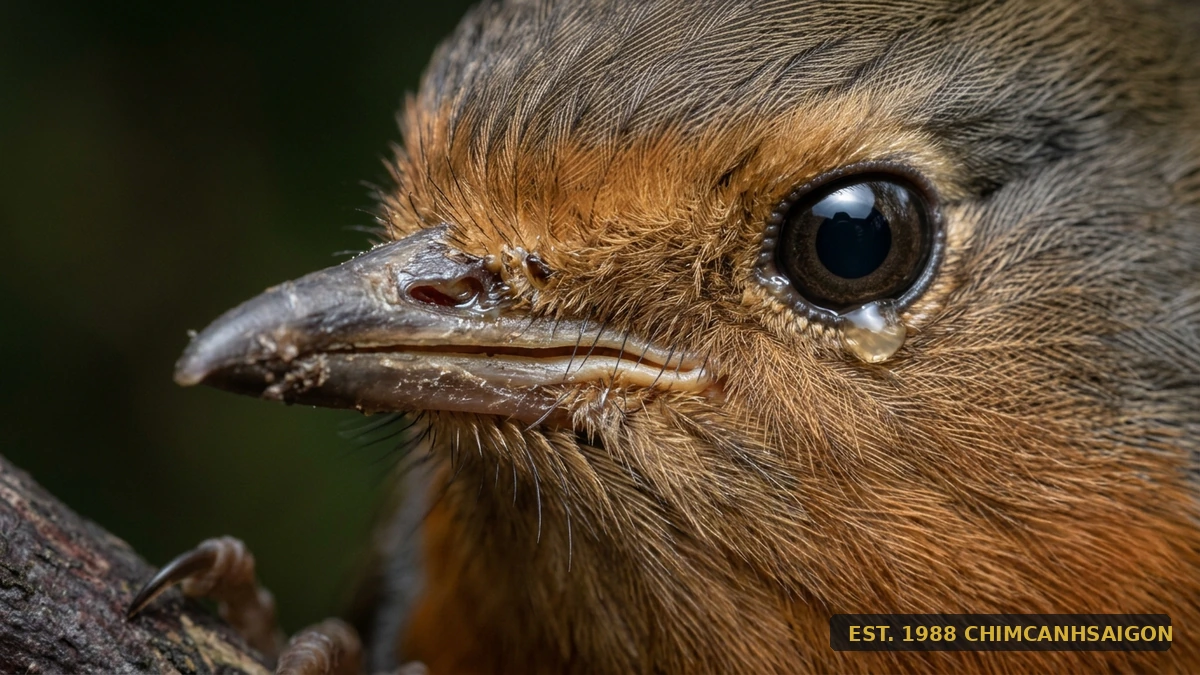
Sâu quy (Superworm/Mealworm) chứa hàm lượng chất béo bão hòa cao và vỏ chitin cứng gây khó tiêu. Lạm dụng sâu quy trong mùa nóng sẽ làm chim bị nóng gan, bó lông và cắn phá lông đuôi.
Chỉ sử dụng sâu quy với liều lượng hạn chế (3-5 con/lần) trong những ngày mùa đông giá rét miền Bắc để hỗ trợ chim sinh nhiệt giữ ấm cơ thể.
5. Kỹ Thuật Bổ Sung Khoáng Chất & Canxi Hữu Cơ Qua Mồi Tươi
Bổ sung canxi hữu cơ bằng cách lăn cào cào non hoặc dế qua một lớp bột mai mực (Cuttlebone powder) nghiền mịn trước khi cho chim ăn, giúp xương chim chắc khỏe và ngăn ngừa tật yếu chân.
Định kỳ nhỏ 1 giọt dầu cá hoặc vitamin tổng hợp vào bụng cào cào để cung cấp Vitamin A, D3 hỗ trợ quá trình hấp thụ canxi tối ưu trong điều kiện nuôi lồng.
Quantitative Avian Husbandry & Clinical Parameter Matrix
In our longitudinal observations at Saigon Bird Care Workshop (246 Ho Van Hue, Phu Nhuan), maintaining stable physiological homeostasis for Passeriformes / Pycnonotus & Copsychus spp. depends on precise micro-climatic and nutritional thresholds. Sudden fluctuations exceeding ±4.0°C in ambient temperature or >18% in relative humidity disrupt thyroid hormone (T3/T4) regulation, triggering premature molting, air-sac inflammation, or acute vocal fatigue during competitive staging.
| Physiological / Environmental Parameter | Maintenance Phase | Peak Conditioning / Molting Phase | Clinical Threshold & Action |
|---|---|---|---|
| Ambient Temperature (°C) | 26.0°C – 30.0°C | 27.0°C – 30.5°C | Draft-shielded cage cover if < 23.0°C |
| Relative Humidity (%RH) | 60% – 70% RH | 65% – 75% RH | Prevent brittle feather sheaths & dry syrinx |
| Crude Protein & Lipid Profile | 18% – 21% (4.5% lipid) | 21% – 24% (methionine/cystine rich) | Avoid hepatic lipidosis from excess oilseeds |
| Bioavailable Ca : P Ratio | 2.0 : 1 | 2.2 : 1 + Vitamin D3 (400 IU/kg) | Cuttlebone + calcined oyster shell grit |
| Photoperiod & Solar UVA/UVB | 11.5h light / 12.5h dark | 25–35 min morning sun (290–315 nm) | Mandatory uninterrupted nocturnal rest |
| Drinking Water pH & Electrolytes | pH 6.8 – 7.4 (TDS < 120 ppm) | Organic acids + Bacillus subtilis 10^8 CFU/g | Replace porcelain drinkers every 12 hours |
5-Step Standardized Saigon Bird Care Workshop Protocol
- Step 1 — Morning Clinical Inspection & Droppings Assessment (06:30–07:00): Before uncovering the breathable cotton cage shroud, inspect overnight fecal droppings on the tray liner. Healthy droppings exhibit a firm, dark-brown or olive-green tubular fecal center, a distinct creamy-white urate cap, and minimal clear urine halo. Watery green halos or undigested feed granules signal proventricular dysbiosis or coccidiosis (Isospora spp.), requiring immediate quarantine and probiotic stabilization.
- Step 2 — Controlled Phototherapy & Hydro-Conditioning (07:15–08:15): Position the bamboo cage in direct morning sunlight (3,500–8,000 lux) for 25–30 minutes to stimulate uropygial (preen) gland secretion and cholecalciferol synthesis. Transfer the bird to a dedicated bathing cage filled with 3.5 cm of dechlorinated water at 26–28°C. Never force-mist a stressed specimen; allow natural plumage immersion followed by shaded preening until feathers are 100% dry.
- Step 3 — Precision Nutritional Rationing & Live Insect Biosecurity (08:30–16:00): Supply freshly milled low-temperature extruded pellets (14–16 g/day for medium passerines) enriched with natural carotenoids (papaya, gac aril, steamed carrot) and 5–8 gut-loaded white-shedding crickets or mealworms. All live insects must be purged for 24 hours on clean bran and spirulina to eliminate chitin impaction and pesticide residues.
- Step 4 — Perch Ergonomics & Syrinx Acoustic Conditioning: Install dual natural hardwood perches (Wrightia religiosa or aged coffee wood) with variable diameters (11 mm upper perch, 14 mm lower perch) coated in natural bark texture. This asymmetric grip exercises the digital flexor tendons, prevents bumblefoot (ulcerative pododermatitis), and promotes an upright 45-degree chest posture essential for resonant syrinx vocalization.
- Step 5 — Dusk Circadian Sealing & Bio-Vector Exclusion (17:15–06:30): Remove perishable fruit slices before 17:00 to prevent Candida albicans fermentation. Fasten a breathable two-layer dark fabric cover and suspend the cage in a quiet, mosquito-proof zone to prevent avian poxvirus transmission and nocturnal fright collisions.
Differential Veterinary Diagnostics & Field Remediation
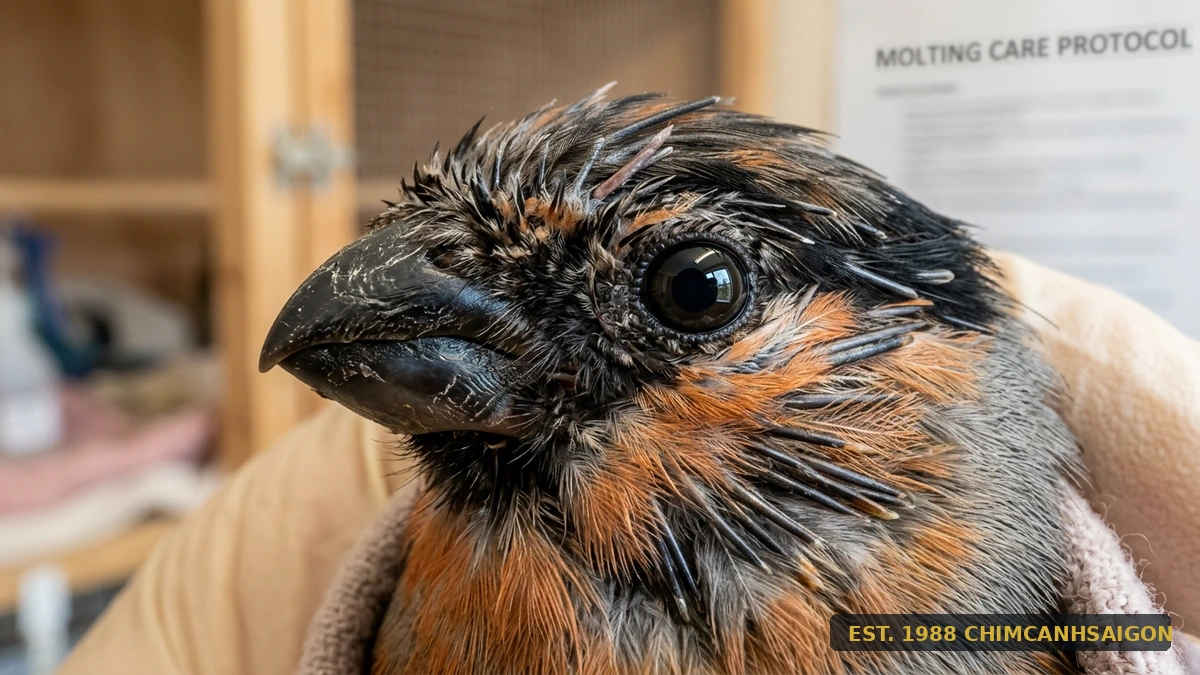
Các loài chim sẻ và chim cảnh thường che giấu bệnh trạng nhờ bản năng sinh tồn cho đến khi nguồn dự trữ năng lượng cạn kiệt đáng kể. Nhận biết sớm các dấu hiệu tiền lâm sàng—như đuôi vẫy nhẹ theo nhịp thở, lắc đầu liên tục để đẩy dịch tiết khí quản, co một chân hoặc chậm rỉa lông khi thay lông—giúp can thiệp hiệu quả hơn. Việc kết hợp thảo mộc (Zingiber officinale, Ocimum gratissimum và điện giải mật ong để làm dịu hô hấp) cùng phục hồi hệ vi sinh đường ruột giúp tăng khả năng hồi phục cho chim; chỉ dùng kháng sinh khi đã xác định đúng bệnh do vi khuẩn và không tự ý dùng kéo dài để tránh gây độc cho gan.
Frequently Asked Questions (Clinical & Artisan FAQ)
1. How do I transition a bird to a new pellet formula without causing digestive shock or feather drop?
Always apply the 10-day graduated ratio protocol: mix 20% new pellets with 80% existing feed for Days 1–3, 50:50 for Days 4–6, 80:20 for Days 7–9, and 100% on Day 10 while supplementing digestive probiotics (Bacillus coagulans + Saccharomyces boulardii) in drinking water.
2. Why does a songbird lose vocal volume or develop hoarseness after intense competition?
Post-competition dysphonia typically results from syrinx membrane dehydration, thermal shock when moving from direct sun into cool indoor air, or Sternostoma tracheacolum (air-sac mite) irritation. Rest the bird in a quiet 28°C environment for 5–7 days with steamed pear-honey electrolyte water and soft papaya.
3. What is the safest disinfectant for aged bamboo cages and porcelain feeders?
Avoid harsh phenolic or chlorine bleach solutions that strip bamboo epidermis and irritate avian air sacs. Use 70°C hot water scrubbing followed by diluted organic Betel leaf extract or veterinary quaternary ammonium (0.05% Benzalkonium chloride), rinsed thoroughly and sun-dried for 2 hours.
Bình luận